
Vampire: The Game That Transcends Darkness
Explore the thrilling world of 'Vampire', a captivating game with the intriguing keyword 'PH8', set in a universe where players dive into the shadows.


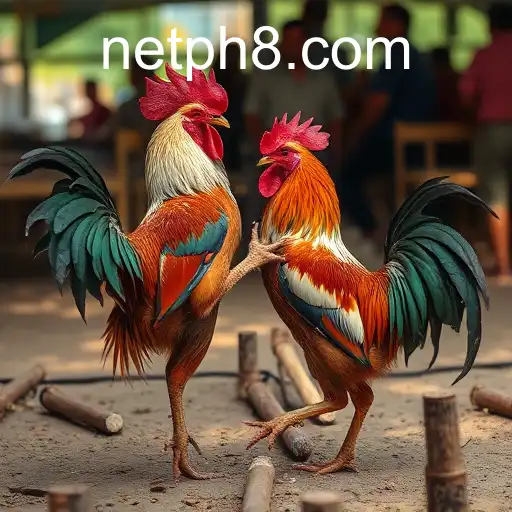
Cockfighting, a pastime that has long sparked debates and discussions, holds a unique position in various cultures around the world. Often steeped in tradition, this blood sport involves placing two roosters in a fighting arena or ring, where they engage in combat until one emerges victorious. While this activity is banned in many parts of the globe, it remains prevalent in certain regions, where it is not only seen as entertainment but a reflection of cultural identity.
Cockfighting goes beyond a mere sport for those who participate in it; it bears cultural significance that ties deeply to historical practices. Throughout parts of Southeast Asia, the Caribbean, and Latin America, cockfighting is often considered a social event, drawing communities together.
In the Philippines, for example, cockfighting, colloquially termed 'sabong,' is a pastime dating back several centuries. Here, it is often associated with public festivals and town fiestas, where the cockfighting events are among the main attractions. The tradition in the Philippines is also deeply embedded with indigenous beliefs, where the strength and fighting spirit of roosters parallel the human warrior ethos.
The keyword PH8 might refer to a specific regulation, substance, or trend related to cockfighting. Delving into the intricacies of such a keyword involves understanding how cockfighting is organized, legalized, and contested within societies that still uphold the practice.
In regions where cockfighting is permitted, it is often subject to legal regulations. These laws may involve registration of competitions, restrictions on gambling, or measures to ensure the humane treatment of animals. The acronym PH8 could potentially encapsulate a set of guidelines or legal frameworks pivotal in regions where such laws are enacted.
The moral implications of cockfighting inevitably become a focal point of discussion. Animal rights activists worldwide criticize the sport for the inherent cruelty it imposes. Roosters are fitted with sharp blades or gaffs on their legs to inflict more damage during fights, often leading to severe injuries or death.
Despite these concerns, proponents argue that cockfighting is a historic practice, comparable to other traditional forms of animal fighting and rites. To further complicate the issue, cockfighting can be a source of economic income for poorer communities, where large sums of money circulate through betting and rooster breeding.
Cockfighting, in areas where it is legal or widely practiced, contributes significantly to local economies. It stimulates small businesses related to the raising and training of fighting cocks, feed suppliers, and veterinary services. Betting on fights can generate considerable revenue, attracting domestic and occasionally international tourism.
The social aspects are just as crucial. In some cultures, the breeding of strong fighting cocks is a matter of pride and competition among breeders. Cockerels are often selected and trained meticulously, with specific attention to their lineage and physical capabilities.
As the world becomes increasingly aware of animal rights and welfare, the practice of cockfighting faces growing scrutiny and legal challenges. Proponents call for preserving the cultural elements of cockfighting while ensuring humane treatment of animals, while opponents advocate for complete abolition.
The debate surrounding cockfighting places emphasis on the delicate balance between preserving cultural heritage and advancing ethical standards. Perhaps the future will bear witness to newer, more humane ways of maintaining cultural continuity, potentially informed by regulations and discussions encapsulated in phenomena like PH8.
Exploring the world of cockfighting through different lenses reveals much about human society—its traditions, diversities, and the complex interplay of ethics and entertainment.
If you're looking for a reliable, fully licensed, and secure sportsbook with a wide selection of games, PH8 is the perfect choice. We're committed to providing you with the best online betting experience, with premium quality, excellent service, and continuous innovation. Sign up now and receive ₱777 for free!
Join now
Get the latest information, experience and betting strategies from the expert team at PH8.
Explore the thrilling world of 'Vampire', a captivating game with the intriguing keyword 'PH8', set in a universe where players dive into the shadows.
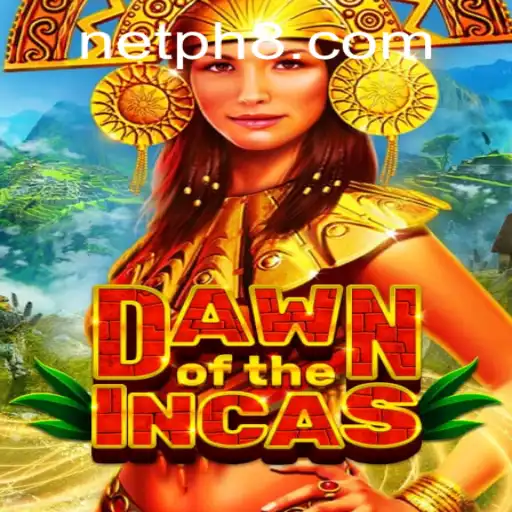
Explore the immersive universe of DawnoftheIncas, a captivating game that melds history, strategy, and adventure, enriched with innovative gameplay mechanics.

Dive into the exciting world of EaglePower, a dynamic game that blends strategy with compelling narratives. Discover the captivating adventurers, and learn the intricate rules that guide the game play enriched by PH8 challenges. Stay ahead in the gaming world by understanding these elements.

Explore RockinGorilla, a groundbreaking interactive game, infused with the innovation of the PH8 keyword. Discover the game's description, introduction, and rules.

Learn about the innovative game WheelMoney, its engaging mechanics, and how it incorporates current events for a truly dynamic experience.

Dive into the captivating world of Caribbean Queen with our comprehensive guide to the game along with its rules and unique features.
 Join now